
About Us
About
Kamma Catholic Global Federation
About KCGF
The Kamma Catholic Global Federation (KCGF) is founded upon the rock of our shared history as Gandikota Kamma Catholics. Recognizing that time and migration have dispersed our families across states and continents, we establish this Federation to serve as the binding force that reunites us. We are committed to harmonizing our rich cultural heritage with modern progress, ensuring that no member of our community is left behind in spiritual, social, or economic development.
About Gandikota Kammas
In the 12th century, the Kakatiya dynasty ruled much of present-day Andhra Pradesh. Pemmasani Timma Nayudu, a loyal Kamma chieftain, was granted the title of “Nayaka” (chieftain) by the Kakatiya king, Prataparudra. Timma Nayudu built the Gandikota Fort and established his capital there. Over time, the Pemmasani Nayaks expanded their kingdom, conquering surrounding regions and establishing a powerful empire.
The Gandikota Empire reached its zenith during the reign of Pemmasani Ramalinga Nayudu (16th century), who expanded the kingdom and built several temples, tanks, and other infrastructure.
Decline and Legacy:
The Gandikota Empire declined in the 17th century, eventually becoming a part of the Vijayanagara Empire and later the Mysore Kingdom. Despite its decline, the Gandikota Fort remains an important historical site, and the Pemmasani Nayaks are remembered as brave warriors and skilled administrators.
The Gandikota Kammas are a sub-caste of the Kamma community, primarily found in the Rayalaseema region of Andhra Pradesh, India. They are known for their bravery, martial skills, and administrative abilities.
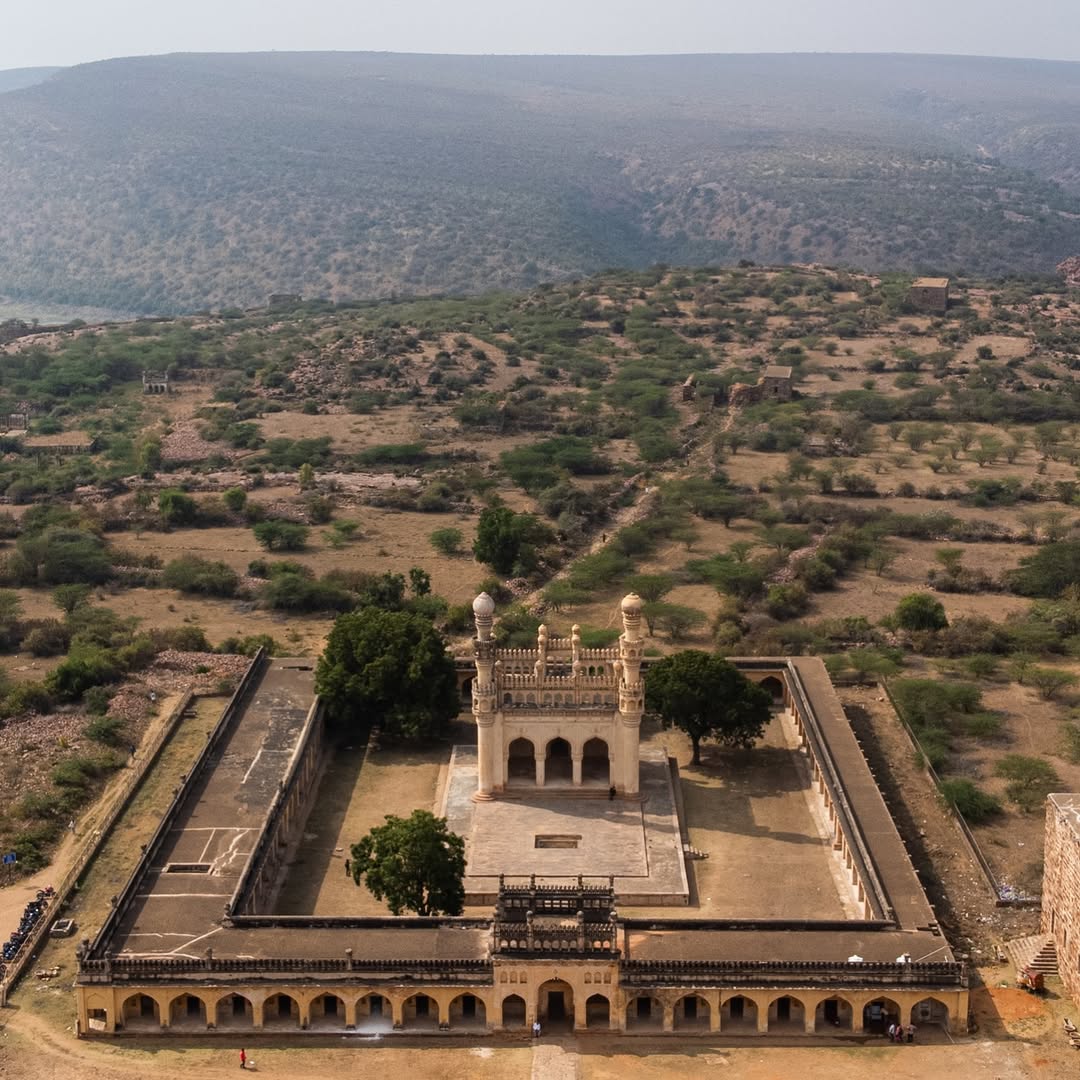
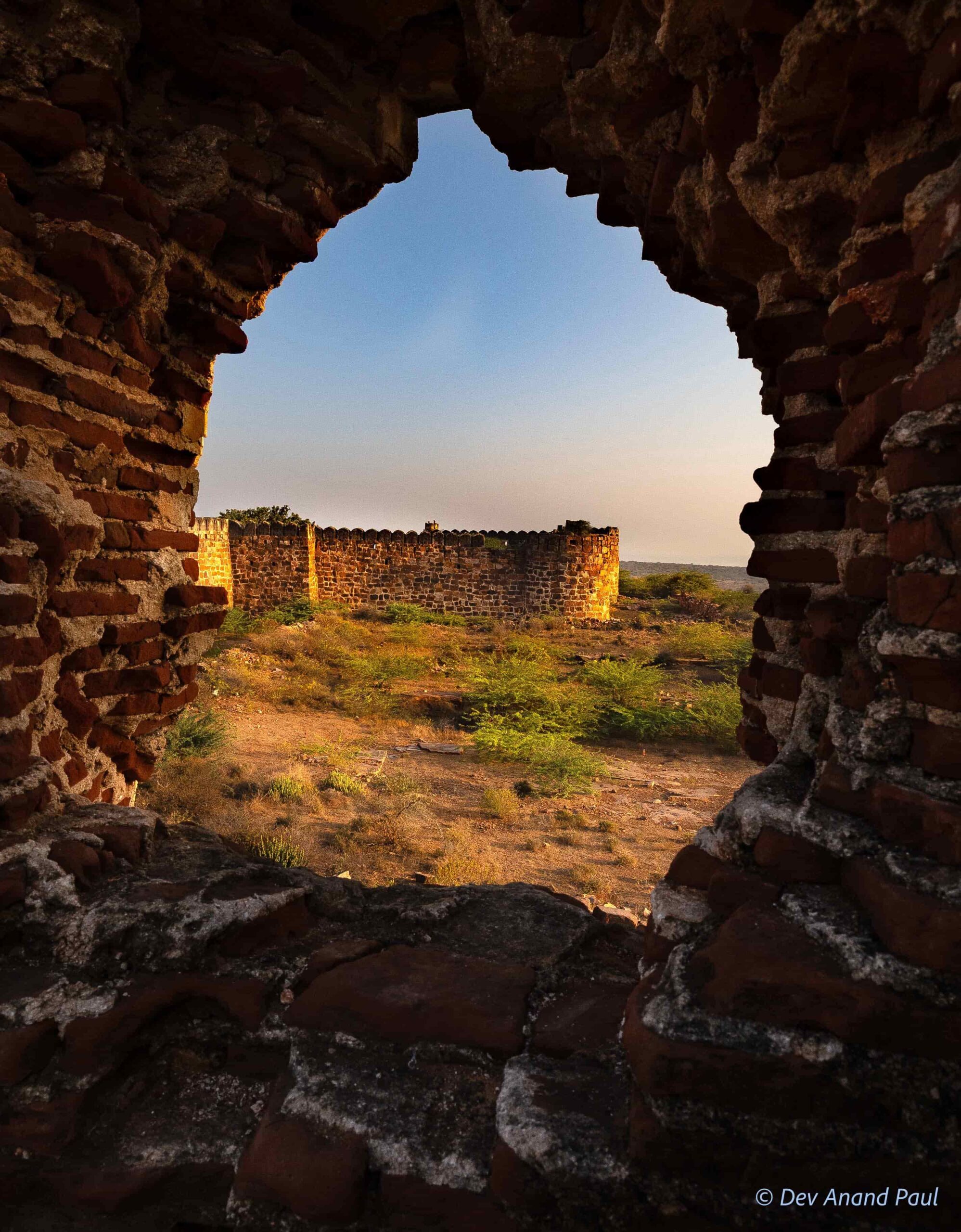
Gandikota Fort, also known as the "Gandi Kshetra," is a 12th-century fort located in the Kadapa district of Andhra Pradesh. It was founded by the Pemmasani Nayaks, a Kamma chieftain family, in the 12th century.
The founder of the Gandikota Empire was Pemmasani Timma Nayudu, a Kamma chieftain who served under the Kakatiya dynasty. He built the Gandikota Fort and established the Pemmasani Nayaka dynasty, which ruled the region for over 200 years.
Our Vision
To forge a resilient, unified global family of Gandikota Kamma Catholics that honors our ancestral legacy while empowering every generation to achieve pinnacles of spiritual grace, professional excellence, and social prominence.
Our Mission
To build a sustainable global ecosystem that connects every Gandikota Kamma Catholic family; to provide a cradle-to-career support system through education and employment; to preserve our unique cultural identity; and to foster a spirit of mutual aid where the success of one contributes to the prosperity of all.
How KAMMAs converted to Catholics
Early Conversion (16th century)
– The first Kamma converts to Christianity were during the Portuguese colonial period in the 16th century.
– Jesuit missionaries, particularly St. Francis Xavier, preached in the Rayalaseema region, where Kammas were prominent.
– Some Kammas, attracted to the new faith, converted to Christianity.
British Period (18th-19th centuries)
– During the British colonial period, Christian missionaries, especially from the Society for the Propagation of the Gospel (SPG), actively evangelized in the region.
– The first recorded Kamma Catholic convert during this period was Venkayya (later baptized as John Venkayya) in 1796.
– John Venkayya, a Kamma chieftain from the village of Kalavapalli, was converted by Rev. William Stevenson, an SPG missionary.
Mass Conversions (19th-20th centuries)
– As British colonial rule expanded, more Kammas converted to Christianity, particularly in the districts of Kadapa, Kurnool, and Anantapur.
– Mass conversions occurred in villages like Kalavapalli, Gandikota, and Kamalapuram.
– The Catholic Church established missions, schools, and hospitals, attracting more Kammas to the faith.